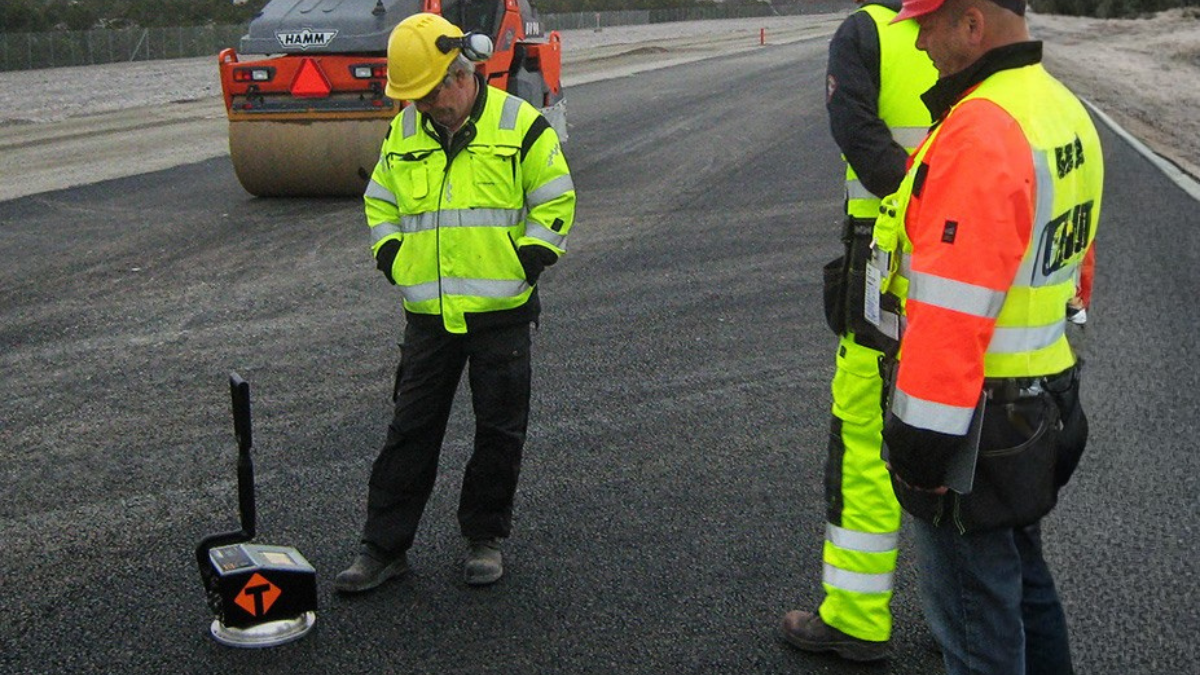
TransTech PQI 380 Non-Nuclear Asphalt Density Gauge
เกจวัดความหนาแน่นแอสฟัลต์แบบไม่ใช้รังสี สำหรับควบคุมคุณภาพการบดอัดผิวทางโดยตรงบนไซต์งาน
วัดค่าความหนาแน่นได้ภายใน ~3 วินาทีต่อจุด มาพร้อมหน้าจอสัมผัสสี ระบบปฏิบัติการ Windows CE
และเทคโนโลยีวัดด้วย Impedance Spectroscopy ช่วยลดการพึ่งพา Nuclear Gauge และปัญหาใบอนุญาต–การขนส่ง
A non-nuclear asphalt density gauge for direct, in-place compaction control.
The PQI 380 provides asphalt density readings in about three seconds, with a full-color touch screen,
Windows CE operating system and impedance spectroscopy technology, giving you performance-based
density without the burden of nuclear licenses or transport restrictions.
Fast, repeatable in-place asphalt density for modern pavement compaction QC/QA.
ภาพรวมของระบบSystem overview
PQI 380 เป็นเกจวัดความหนาแน่นแอสฟัลต์แบบไม่ใช้รังสี น้ำหนักเบา ปลอดภัยต่อสิ่งแวดล้อม
ช่วยให้วิศวกรสนามสามารถวัดความหนาแน่นผิวทางได้อย่างรวดเร็วและแม่นยำ โดยใช้เวลาอ่านค่าเพียงประมาณ 3 วินาทีต่อจุด
จึงสามารถเก็บข้อมูลได้หลายจุดต่อช่องทาง / ช่วงทาง ลดจำนวนการเจาะ Core ที่จำเป็นลงอย่างมีนัยสำคัญ
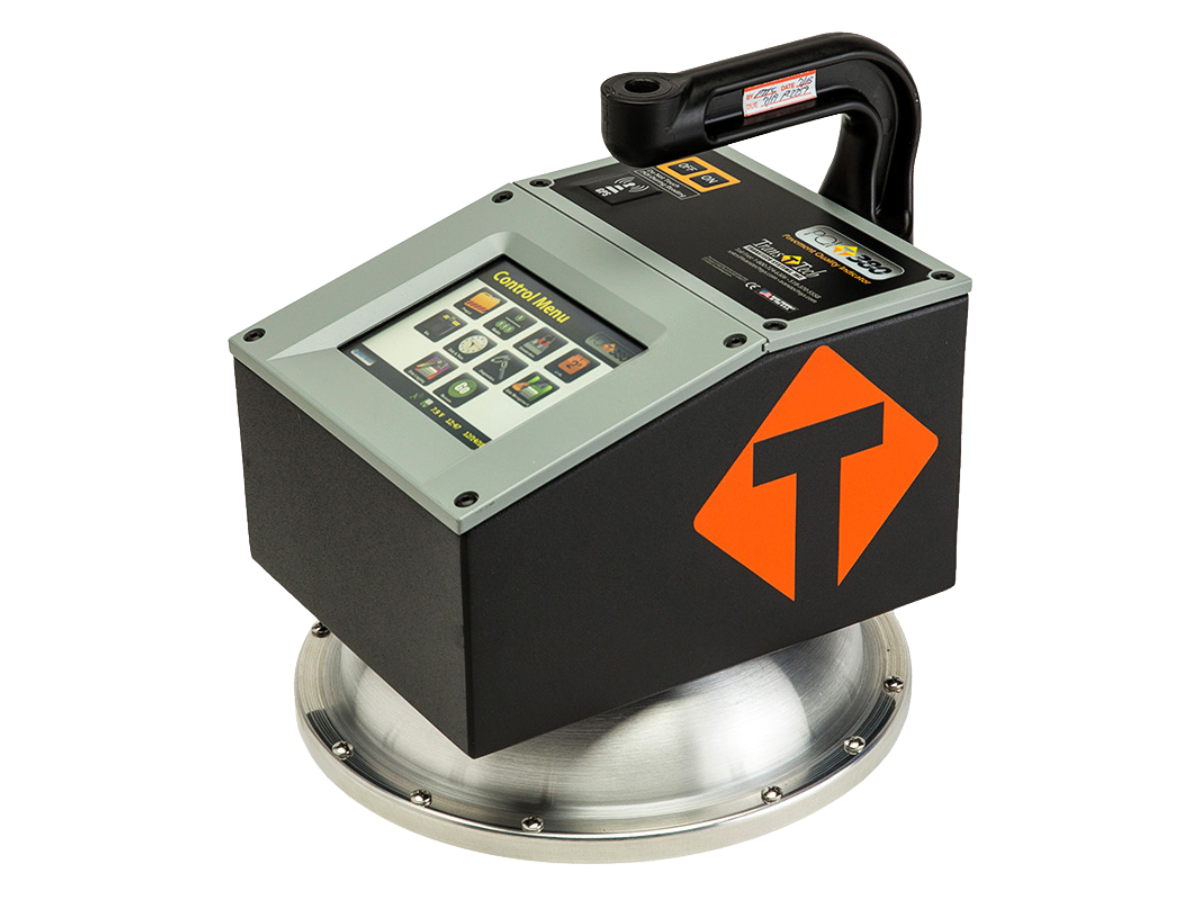
The PQI 380 is a lightweight, environmentally safe and user-friendly non-nuclear asphalt density gauge.
It provides quick and accurate measurements of asphalt density, typically in about three seconds per test point,
enabling more test locations per lane and reducing the number of required cores on new pavements.
เทคโนโลยี Impedance Spectroscopy ทำให้ PQI 380 สามารถวัดการตอบสนองไฟฟ้าของแอสฟัลต์จากแผ่นเซนเซอร์
และนำมาคำนวณเป็นค่าความหนาแน่นตามมาตรฐาน ASTM D7113 / AASHTO T343
ตัวเครื่องใช้ระบบปฏิบัติการ Microsoft Windows CE พร้อมหน้าจอสัมผัสสีแบบ VGA และเมนูกราฟิกใช้งานง่าย
รองรับการอัปเกรดซอฟต์แวร์และการสนับสนุนระยะยาวจากผู้ผลิต
Using impedance spectroscopy, the PQI 380 measures the asphalt’s electrical response from the sensor plate
and converts it into density values according to ASTM D7113 / AASHTO T343. A Windows CE operating system,
full-color VGA touch screen and graphical user interface make it easy to operate and update in the field.
Reading time
~3 seconds per test location
Operation
8–10 hours per full charge
Measurement type
Non-nuclear impedance spectroscopy
เหตุผลที่หน่วยงานทางและผู้รับเหมาเลือกใช้ PQI 380Why agencies and contractors choose the PQI 380
ไม่ใช้รังสี ปลอดภัย และลดภาระด้านใบอนุญาตNon-nuclear, safe and license-free
PQI 380 ใช้แหล่งกำเนิดไฟฟ้าแรงดันต่ำ ไม่ใช้สารกัมมันตรังสี ทำให้ไม่มีภาระเรื่องใบอนุญาต
การฝึกอบรมด้านรังสี การจัดเก็บในพื้นที่พิเศษ หรือการขนส่งแบบควบคุมเหมือน Nuclear Gauge
ลดทั้งต้นทุนและความยุ่งยากด้านความปลอดภัยขององค์กร
The PQI 380 uses low-voltage electrical fields rather than radioactive sources, so there are no nuclear
licenses, badges, special storage or controlled transport requirements. This significantly reduces
long-term cost and administrative burden while improving safety.
วัดได้เร็ว เพิ่มจำนวนจุดทดสอบและลดจำนวน CoreFast readings, more test points and fewer cores
ใช้เวลาอ่านค่าประมาณ 3 วินาทีต่อจุด ทำให้สามารถทดสอบได้หลายจุดต่อเลน
เห็นแนวโน้มความสม่ำเสมอของการบดอัดได้ละเอียดขึ้น เมื่อจับคู่กับการสอบเทียบกับ Core อย่างเหมาะสม
สามารถลดจำนวน Core ที่ต้องเจาะเพื่อยืนยันค่าความหนาแน่นลงได้
With readings in roughly three seconds, the PQI 380 allows many more test locations to be checked per lane,
improving visibility of compaction uniformity. When properly calibrated to cores, agencies can often reduce
the number of cores required for verification while maintaining confidence in the density results.
อินเทอร์เฟซหน้าจอสัมผัส ใช้งานง่ายในสนามTouchscreen interface for easy field use
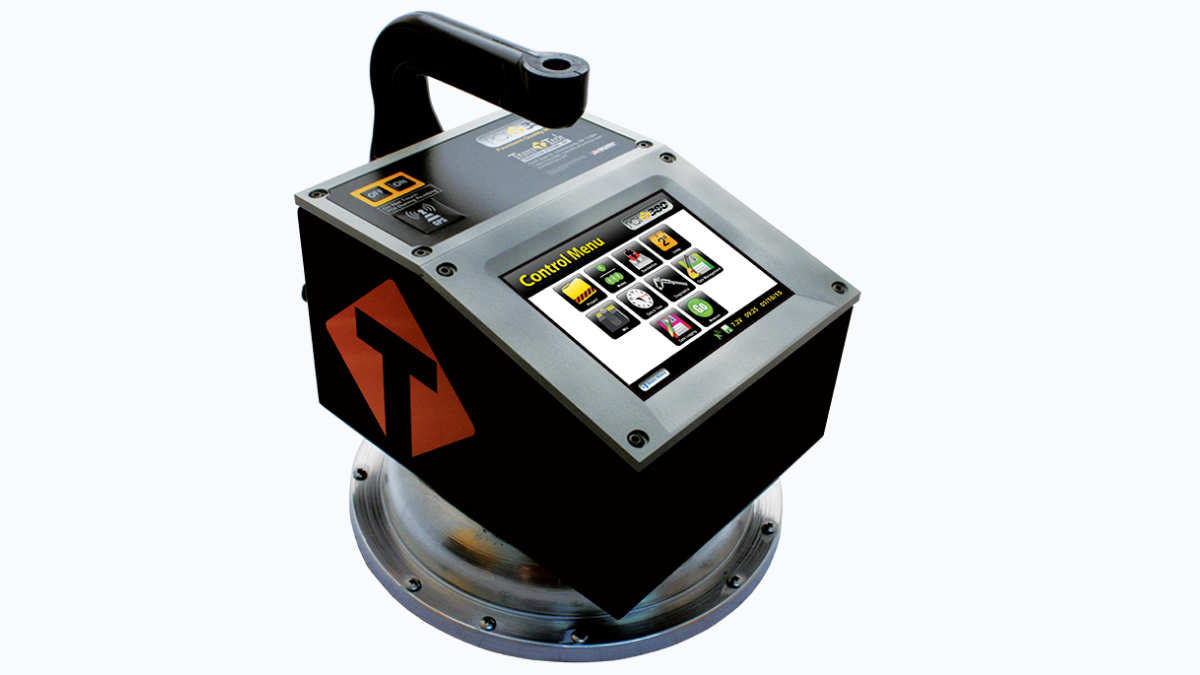
หน้าจอสัมผัสสีแบบ VGA พร้อมไฟ LED Backlight ทำให้มองเห็นได้ชัดทั้งกลางวันและกลางคืน
รองรับโหมดการอ่าน 4 รูปแบบ (เช่น Single, Average, Continuous, Segregation Mode)
มีโหมด Diagnostics ตรวจสอบระบบ และรองรับการสร้าง Project / Mix เฉพาะของผู้ใช้งานแต่ละหน่วยงาน
A full-color VGA touch screen with LED backlight keeps the display readable in bright sun or at night.
Four reading modes and a diagnostics mode support different QC procedures, while customizable project and
mix entries let each agency tailor the gauge to its own specifications and mixes.
คุณสมบัติเด่น (Features)Key features
ไฮไลต์หลักของ TransTech PQI 380 สำหรับงานควบคุมคุณภาพการบดอัดผิวทางแอสฟัลต์แบบไม่ใช้รังสี
Highlighting the main capabilities of the TransTech PQI 380 non-nuclear asphalt density gauge.
PQI 380 ใช้ Impedance Spectroscopy วัดการตอบสนองทางไฟฟ้าของแอสฟัลต์ผ่านแผ่นเซนเซอร์ด้านล่าง
แล้วคำนวณเป็นค่าความหนาแน่นของวัสดุสำหรับส่วนผสมแต่ละประเภท ช่วงความหนาของชั้นแอสฟัลต์ที่ครอบคลุม
โดยทั่วไปอยู่ที่ประมาณ 0.75–6 นิ้ว เหมาะสำหรับงานทดสอบผิวทางใหม่และงาน Overlay
The PQI 380 uses impedance spectroscopy to measure the asphalt’s electrical response through its bottom sensor
plate and converts that response into density for each specific mix. It is intended primarily for newly laid
asphalt layers with typical lift thicknesses from about 0.75 to 6 inches.
หน้าจอสัมผัสสี & ระบบจัดการข้อมูลในตัวเครื่องColor touchscreen & onboard data management
หน้าจอ Full Color VGA พร้อม LED Backlight แสดงผลค่าความหนาแน่น อุณหภูมิ และโหมดการอ่านอย่างชัดเจน
มี Data Management Screen สำหรับตรวจสอบ ลบ หรือปิดการบันทึกข้อมูล และสามารถดาวน์โหลดไฟล์ข้อมูลผ่าน USB
ในรูปแบบ Comma-Delimited เพื่อนำไปใช้ใน Excel หรือระบบรายงานของหน่วยงานได้ทันที
A full-color VGA display with LED backlight clearly shows density, temperature and reading mode.
An onboard data management screen lets you review, delete or disable data logging, and test data can
be downloaded via USB as comma-delimited files for use in Excel or agency reporting systems.
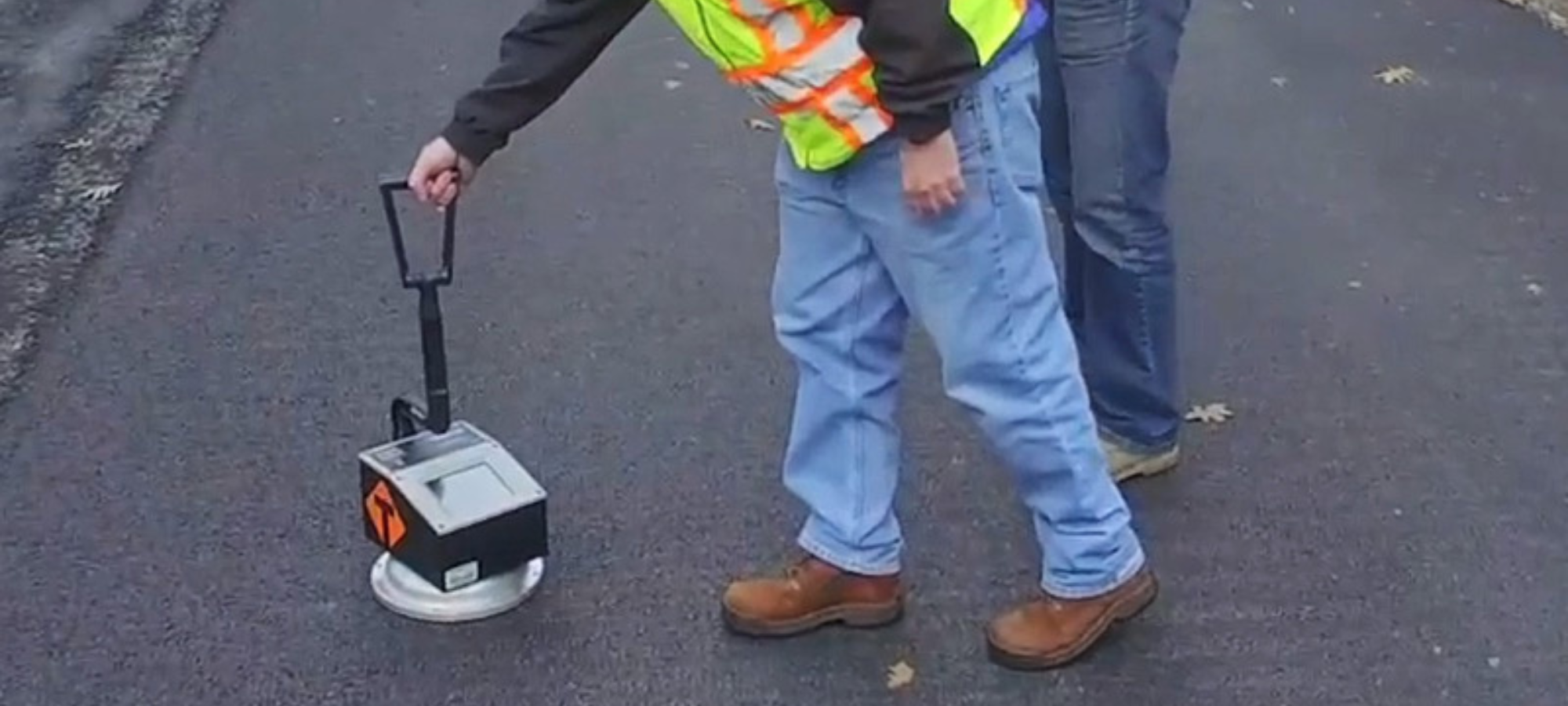
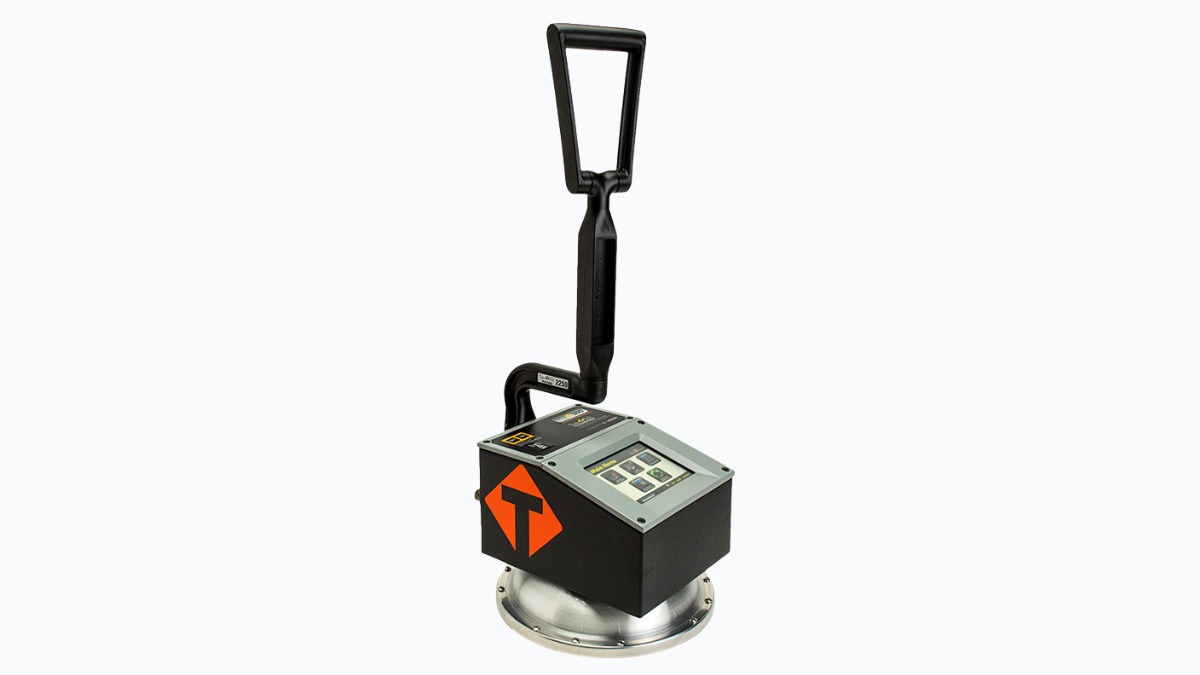
ตัวเครื่องหุ้มด้วยโครงอะลูมิเนียมน้ำหนักเบา มีด้ามต่อเสริมช่วยให้ผู้ใช้งานยืนตัวตรงขณะวัด
กราฟิกสะท้อนแสงช่วยเพิ่มความปลอดภัยตอนกลางคืน ระบบ GPS ภายในช่วยบันทึกพิกัดและเวลาแต่ละจุดทดสอบ
แบตเตอรี่ NiMH แบบชาร์จซ้ำให้ระยะเวลาการใช้งานประมาณ 8–10 ชั่วโมง และชาร์จเต็มในราว 4 ชั่วโมง
A rugged, lightweight aluminum shell with an extension handle keeps the operator comfortable during testing,
while reflective graphics improve nighttime safety. Integrated GPS records position and time for each test,
and rechargeable NiMH batteries provide around 8–10 hours of use with about a 4-hour recharge.
งานที่เหมาะสม (Applications)Typical applications
QC/QA การบดอัดผิวทางแอสฟัลต์ใหม่QC/QA of newly laid asphalt pavements
โครงการก่อสร้างถนนและมอเตอร์เวย์Highways, expressways and major road projects
สนามบิน Runway / Taxiway / ApronAirport runways, taxiways and aprons
งาน Overlay และ Mill & FillOverlay and mill & fill projects
ลานจอดรถ พื้นลานอุตสาหกรรม และคลังสินค้าParking lots, industrial yards and terminals
งานตรวจตามหลัง (Forensic / Performance Review)Forensic and performance review investigations
สนับสนุนฐานข้อมูลสำหรับการออกแบบเชิงกล–ประจักษ์Database support for mechanistic–empirical design
งานวิจัยด้านความหนาแน่นและความสม่ำเสมอของผิวทางResearch on density and pavement uniformity
ซอฟต์แวร์และการจัดการข้อมูลที่เกี่ยวข้องRelated software and data handling
PQI 380 Data Download & Reporting
ข้อมูลการวัดจาก PQI 380 สามารถดาวน์โหลดผ่าน USB ในรูปแบบไฟล์ CSV
เพื่อนำไปเปิดใน Excel หรือโปรแกรมรายงานของหน่วยงานได้โดยตรง
ช่วยสร้างกราฟแนวโน้ม แผนที่แนวราบ และตารางสรุปค่าความหนาแน่น / %Compaction
สำหรับแต่ละ Section หรือ Control Strip ได้อย่างรวดเร็ว
PQI 380 measurement data can be downloaded via USB as CSV files for use in Excel or agency
reporting systems. This enables rapid plotting of trends, density/compaction summary tables
and plan-view maps for each section or control strip.
การบูรณาการร่วมกับระบบจัดการงานก่อสร้าง
หน่วยงานสามารถเชื่อมข้อมูลจาก PQI 380 เข้ากับระบบ Construction Management หรือ
Pavement Management Software ที่มีอยู่ เพื่อใช้ติดตามคุณภาพการบดอัดแบบ Real-time
และเก็บเป็นฐานข้อมูลสำหรับวิเคราะห์ประสิทธิภาพของ Contractor และส่วนผสมแอสฟัลต์ในระยะยาว
Agencies can integrate PQI 380 data into existing construction or pavement management systems to
monitor compaction quality in near real time and build long-term databases for contractor
performance and mix behavior analysis.
อยากเห็นตัวอย่างการใช้งานจริงหรือไม่?Ready to see MIRA Compact in action?
ทีมวิศวกรของเราพร้อมให้คำปรึกษา ช่วยออกแบบแนวทางสำรวจ
และแนะนำ workflow ตั้งแต่การเก็บข้อมูลจนถึงการแปลผลสำหรับโครงการของคุณ
Our engineers are ready to discuss your project, suggest survey strategies
and recommend a complete workflow from acquisition to interpretation.

.png)